
SEER2 Explained: What Arizona Homeowners Actually Need to Know
SEER2 is the efficiency number on every new system, and in the DOE Southwest region it comes with minimums you have to verify. Here is what it means and what matters beyond the number.
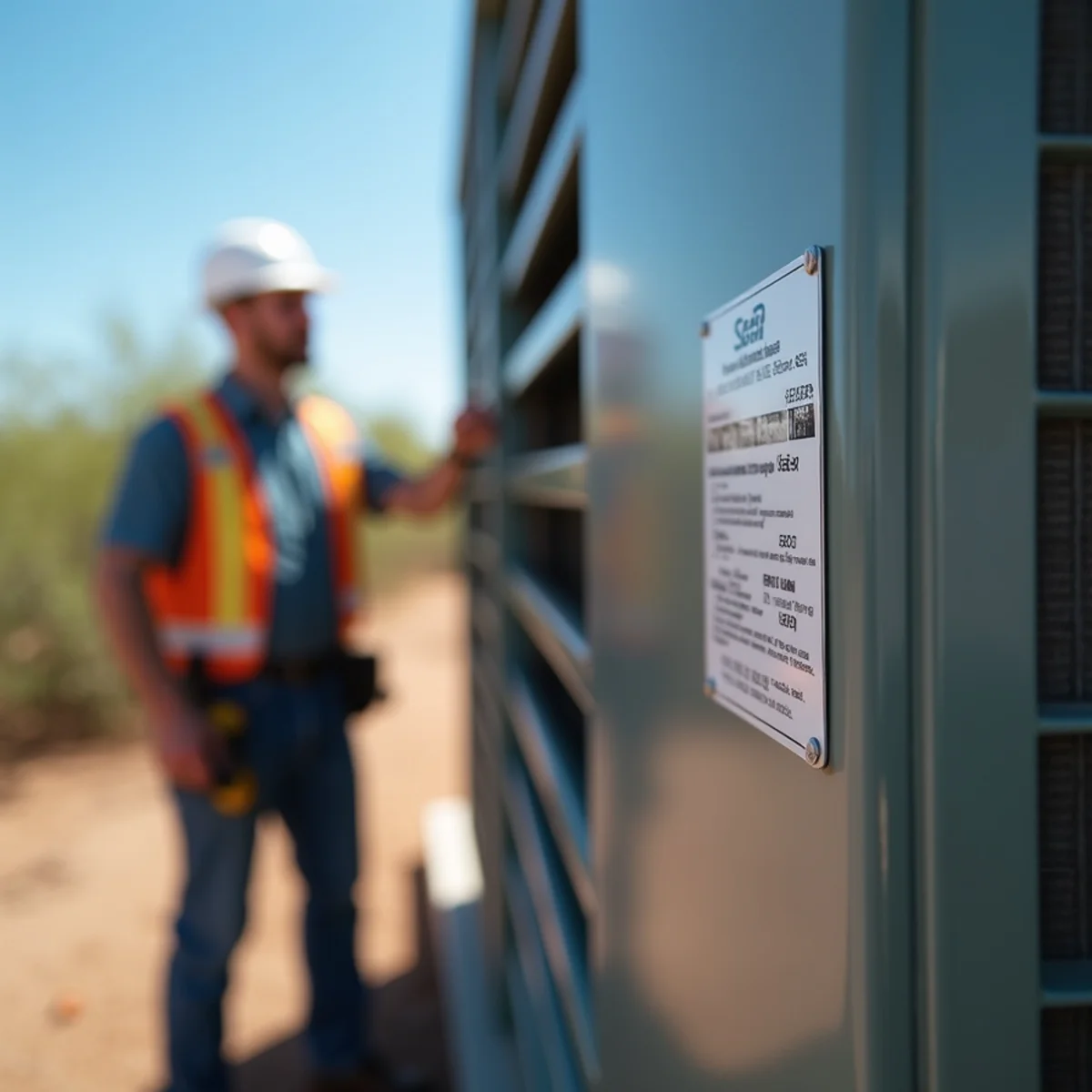
SEER2 is the efficiency rating on every new air conditioner and heat pump, and the higher the number, the less electricity the system uses to deliver the same cooling. For Arizona homeowners the practical takeaways are two: first, because we sit in the Department of Energy's Southwest region, any new split-system AC you install must meet a regional minimum, 14.3 SEER2 for most residential units under 45,000 BTU and 13.8 SEER2 for larger ones. Second, a higher SEER2 cuts your monthly bill but costs more upfront, and the right balance depends on how hard you run the system. In a five-month desert cooling season, that is a very different calculation than it is up north.
What SEER2 Actually Measures
SEER stands for Seasonal Energy Efficiency Ratio: the cooling output over a season divided by the electricity consumed, so a higher number means more cooling per dollar of power. SEER2 is the updated version that took effect in 2023. The only real difference is the test: SEER2 measures equipment under higher external static pressure, which better reflects the real-world ductwork a system has to push air through. The result is a rating that is a bit more honest about how equipment performs in an actual home.
Because the test changed, SEER2 numbers run slightly lower than the old SEER numbers for the same equipment. A rough translation: an old 15 SEER unit is about 14.3 SEER2. So do not be alarmed that today's minimums look lower than numbers you remember, the scale moved, not the efficiency.
The Arizona Minimums You Must Verify
This is where Arizona is different from much of the country. To account for our extreme cooling demand, the DOE sets higher minimum efficiency standards for the Southwest region, which includes Arizona. Any new system installed here has to meet them, and it is worth verifying on the paperwork before you sign.
| Equipment | Minimum SEER2 |
|---|---|
| Split-system AC, under 45,000 BTU | 14.3 SEER2 |
| Split-system AC, 45,000 BTU and above | 13.8 SEER2 |
| Split-system heat pump (national standard) | 14.3 SEER2 |
Operating Cost vs. Upfront Cost
Here is the decision every homeowner faces: a higher-SEER2 system costs more to buy but less to run. In a mild climate, the payback on a premium high-efficiency unit can take many years because the system barely runs. In Apache Junction, where the AC runs nearly nonstop for five months, every point of efficiency works much harder for you, so the monthly savings accumulate faster and the payback window shrinks.
That does not mean you should always buy the highest number available. The sweet spot depends on your run-hours, how long you plan to stay in the home, and your upfront budget. A full replacement in our area runs $7,000 to $11,500, and stepping up the efficiency tier moves you within that range. The right move is to compare the realistic annual savings of each tier against the price difference, not to chase the biggest number or default to the cheapest. If you are also deciding between system types, our guide on heat pump vs. AC cost in Arizona covers that fork.
A simple way to frame it: in Apache Junction your AC may run two to three times the annual hours of the same unit in a coastal city, so the efficiency difference between a baseline and a step-up system is multiplied across far more operating hours. That is why a tier that would never pay for itself in a mild climate can make real sense here. It is also why overspending on the absolute top tier rarely does, because the curve of diminishing returns gets steep once you are already efficient, and much of the top-tier premium pays for features you may not need.
What Matters Besides the SEER2 Number
A high SEER2 rating is a laboratory promise. Whether your home ever sees that efficiency depends on things the sticker cannot capture, and in the desert these often matter more than a point or two of SEER2.
- Correct sizing. An oversized high-SEER2 system short-cycles and never delivers its rated efficiency. A proper load calculation comes first.
- Ductwork condition. SEER2 is now tested against realistic duct pressure for a reason. Leaky or undersized ducts bleed away the efficiency you paid for into a 150-degree attic.
- Quality of installation. A correct refrigerant charge, proper airflow, and clean commissioning separate a system that hits its rating from one that falls short on day one.
- Maintenance. Dust-caked coils and clogged filters drag any system below its rating within a season or two in this climate.
In other words, SEER2 sets the ceiling on efficiency; sizing, ducts, installation, and maintenance determine how close you get to it. A mid-tier system installed correctly on sealed ducts will routinely outperform a premium system installed carelessly on leaky ones. It is a point worth repeating because the efficiency sticker is the easiest thing to shop on and the hardest thing to actually deliver, and a lot of money gets spent on a high number that the rest of the system never lets the home realize.
Making the Smart Efficiency Choice
For most Apache Junction homes, the practical path is to meet or modestly exceed the Southwest minimum, insist on correct sizing and a quality install, and put some of the budget into ductwork and maintenance rather than chasing the highest SEER2 on the shelf. That combination delivers real, durable savings across our long cooling season, which is the whole point.
Our team installs efficiency-matched systems, air conditioners and heat pumps alike, and we will walk you through the SEER2 options, show you the real operating-cost math, and confirm the rating on the exact model going in. With 15-plus years in the desert, a 4.9-star record across 137-plus reviews, and free estimates, we help you buy efficiency you will actually realize. Call +1 (327) 210-5999 to compare your options.
Frequently Asked Questions
Arizona is in the DOE Southwest region, which sets higher minimums than much of the country. A new split-system air conditioner under 45,000 BTU must be at least 14.3 SEER2, and units of 45,000 BTU and above must be at least 13.8 SEER2. Split-system heat pumps meet the national 14.3 SEER2 minimum. Ask your installer to confirm the rating of your exact model on the paperwork.
SEER2 is the updated efficiency rating that took effect in 2023. It uses a revised test that measures equipment under higher external static pressure, which better reflects the real ductwork a system pushes air through. Because the test is tougher, SEER2 numbers run slightly lower than old SEER numbers for the same unit, an old 15 SEER system is about 14.3 SEER2, so the scale moved, not the actual efficiency.
Often yes, more so than in milder climates, because Arizona systems run nearly nonstop for five months, so every point of efficiency saves more. But the highest number is not automatically the best buy. Compare each tier's realistic annual savings against its price premium, and factor in how long you plan to stay in the home. For many households, meeting or modestly exceeding the minimum, with a quality install, is the sweet spot.
No. SEER2 is a laboratory rating that sets the ceiling on efficiency, not a guarantee. Whether your home realizes it depends on correct system sizing, duct condition, installation quality, and ongoing maintenance. An oversized unit on leaky ducts will never hit its rating, while a mid-tier system installed correctly on sealed ducts often outperforms a premium one installed carelessly. The install matters as much as the number.
Talk to a Local Apache Junction Technician
Same-day across Apache Junction & Gold Canyon — 24/7 in triple-digit heat.
Call +1 (327) 210-5999Related articles
Heat Pump vs. Straight-Cool AC in Arizona: Cost & Comfort Compared
When you replace your system, you also choose between a heat pump and a straight-cool AC. For most Arizona homes the answer is clearer than you think. Here is the honest cost comparison.
Read moreWhat Size AC Do I Need? Why Square-Footage Math Fails in the Desert
The tonnage your neighbor has is not the tonnage you need. Here is why desert AC sizing defeats every rule of thumb, and what a real load calculation accounts for.
Read moreNew AC Installation: What to Expect on Install Day in Apache Junction
A new AC is a big purchase and a full day in your home. Knowing exactly what the crew does, and why each step matters, turns install day from stressful to smooth.
Read more