
Weak Airflow in Manufactured Homes: Ducts, Blowers & Skirting Issues
Manufactured homes cool differently than site-built houses. When the airflow fades, the cause is usually hiding under the floor, in the belly ducts and crossover, not in the AC itself.
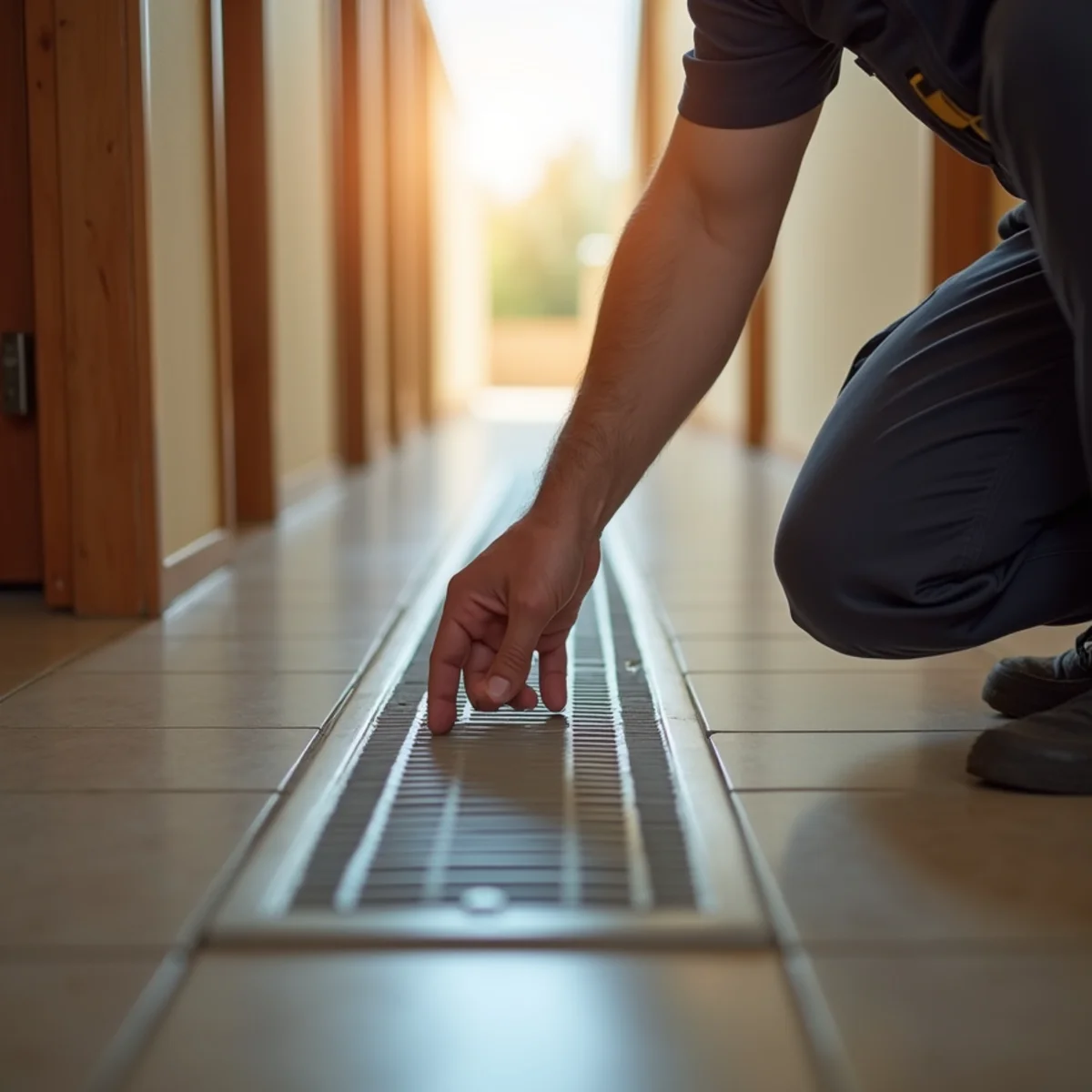
Apache Junction has one of the largest manufactured and mobile home communities in the East Valley, and these homes cool differently than the block-and-frame ranches down the road. When the far bedroom feels stuffy and the vents barely whisper, the problem is rarely the air conditioner. It is almost always in the ductwork strung beneath the floor, the crossover connecting the two halves, or the skirting that protects the underbelly.
Understanding how air moves through a manufactured home makes it much easier to spot what has gone wrong, and to know which checks are safe to do yourself before calling in help.
How Airflow Works in a Manufactured Home
Most manufactured homes use a main supply trunk that runs the length of the home inside the belly, the insulated cavity between the floor and the ground barrier. Registers drop down off that trunk into each room. In a double-wide, a crossover duct, a flexible tube that ducks under the marriage line, carries air from one half of the home to the other. Every one of these components sits in an unconditioned, dust-prone space that can hit brutal temperatures in an Apache Junction summer.
Because the ducts hang low and are made of lighter materials than rigid metal trunk lines, they are vulnerable in ways site-built ducts are not. A single crushed crossover can starve half the house. That is why our manufactured home HVAC specialists always start under the floor, not at the thermostat.
The Usual Culprits Behind Weak Airflow
When a home in a community like Lamplighter Mobile Village loses airflow to the back rooms, one of these is almost always the reason.
- A crushed or disconnected crossover duct. Ground shifting, rodents, or a service tech kneeling on it can flatten the tube, cutting off an entire half of a double-wide.
- Torn or fallen belly wrap. When the underbelly barrier sags or tears, ducts droop, kink, and leak conditioned air into the dirt.
- Rodent damage. The warm belly is prime nesting territory. Rodents chew through flex duct and insulation, and their nests block airflow.
- A dirty or undersized blower wheel. Caked with dust, the blower simply cannot move its rated air volume.
- Collapsed or pinched flex runs to individual registers, often from stored items pressing on them or from age-brittle plastic.
- Missing or damaged skirting, which lets summer heat, dust, and critters into the belly and bakes the ducts.
What You Can Safely Check
You can inspect several things without any tools or risk. Save the belly and duct interior for a professional.
- Replace the filter. In a dusty AJ manufactured home, a loaded filter chokes airflow fast. Check it monthly in summer.
- Walk every room and feel each register. Map which rooms are weak. If an entire half of a double-wide is dead, suspect the crossover.
- Make sure furniture, rugs, and stored boxes are not sitting on floor registers or blocking returns.
- Confirm all supply registers are open. Closing vents to save energy actually raises duct pressure and worsens airflow elsewhere.
- Walk the exterior and look at the skirting. Note any missing panels, gaps, or spots where an animal could get under.
- Listen at the return grille. A weak, breathy return often points to a blower or belly-duct problem.
| Symptom | Likely cause | Who handles it |
|---|---|---|
| One half of a double-wide is warm | Crushed or disconnected crossover | Professional under-floor repair |
| All rooms weak, filter clean | Dirty blower or sagging belly ducts | Professional service |
| One register weak, rest fine | Pinched or blocked flex run | You can unblock; pro reconnects |
| Warm air plus dust smell | Torn belly wrap or damaged skirting | Professional duct and skirting repair |
Why Under-Floor Repairs Belong to a Pro
Crawling the belly of a manufactured home in an Apache Junction summer is hot, tight, and easy to get wrong. Reconnecting a crossover, sealing the wrap, and confirming the ducts are properly supported takes the right materials and an understanding of how these systems are built. A patch that looks fine can leak conditioned air straight into the dirt, quietly running up your power bill all season. Our technicians document the whole underbelly, seal it correctly, and verify airflow at every register before they leave.
Many of these homes run packaged rooftop or side-mounted units rather than a split system, which brings its own set of quirks. If that describes your home, our companion guide on packaged rooftop unit problems walks through what to watch for on the equipment side.
Weak airflow in a manufactured home is usually a story about the hidden path the air travels, not the machine that makes it cold. Check the filter, map the weak rooms, eyeball the skirting, then let a pro handle what lives under the floor.
Frequently Asked Questions
That pattern almost always points to the crossover duct, the flexible tube that carries air under the marriage line to the other half of the home. If it is crushed, disconnected, or chewed by rodents, an entire half of the house loses airflow while the unit runs fine.
Yes. Skirting protects the belly ducts from ground-level heat that can top 115 degrees in Apache Junction, keeps blowing dust out of torn wrap, and blocks rodents that chew ducts. Damaged skirting is a common, overlooked cause of weak, warm airflow.
No. Closing registers raises pressure in the duct system, which can worsen leaks and reduce total airflow. Keep all supply registers open and let the system breathe as it was designed to.
During the dusty summer months in Apache Junction, plan on a fresh filter every 30 days. Manufactured homes pull air through the belly and living space where desert dust loads filters quickly, and a clogged filter is one of the fastest ways to lose airflow.
Talk to a Local Apache Junction Technician
Same-day across Apache Junction & Gold Canyon — 24/7 in triple-digit heat.
Call +1 (327) 210-5999