
Winterizing a Vacant Desert Home Before You Head North
Snowbirds do their winterizing in reverse. In the desert, the danger season is summer, when your empty home bakes for months. Here is how to close it up so you return in fall to a healthy house, not a disaster.
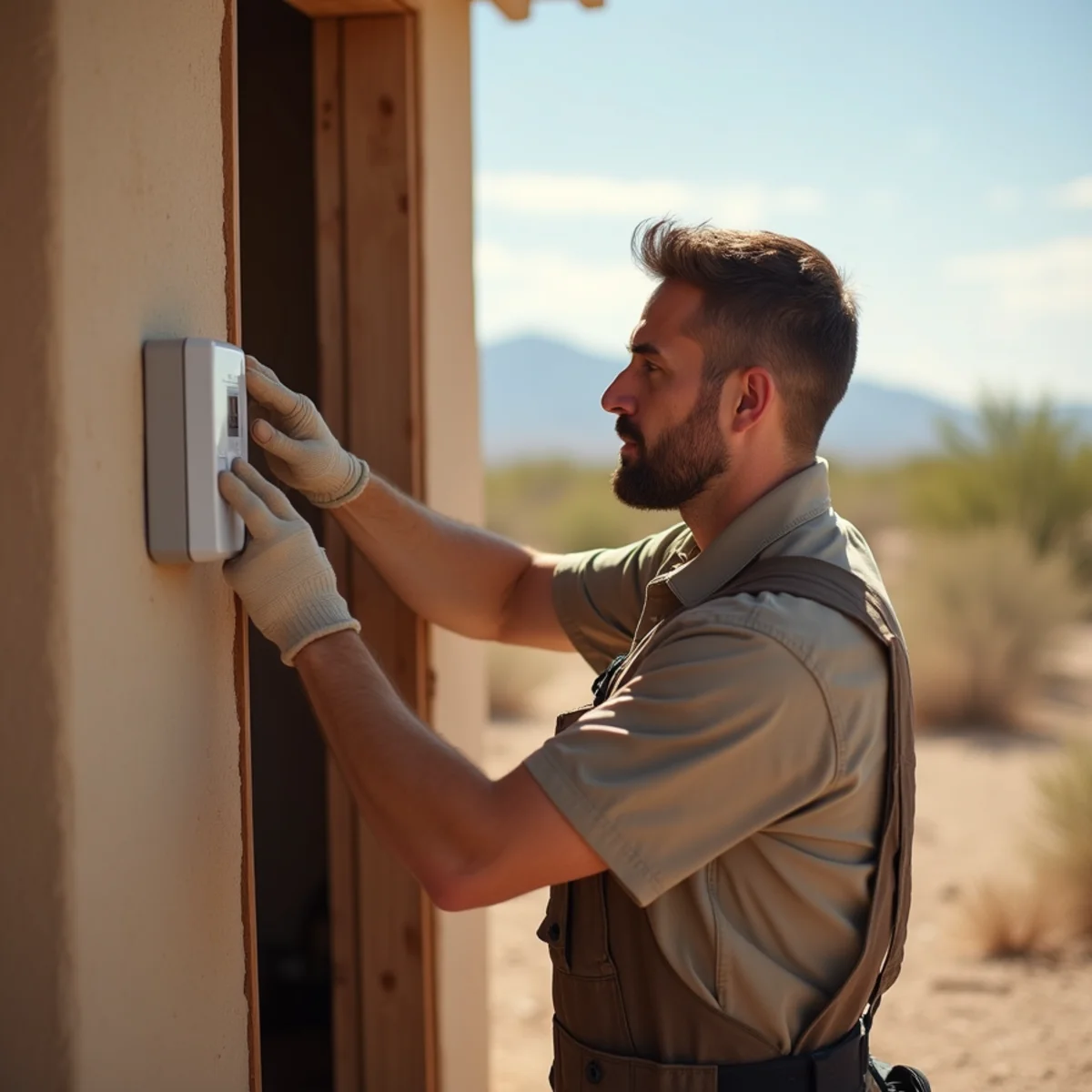
For most of the country, winterizing a second home means draining pipes against a freeze. In Apache Junction it works the other way around. Your danger season is the summer you will spend up north, when the house sits sealed and empty through months of 110-degree heat. Left completely off, an interior can climb past 120 degrees, which warps cabinets, cracks drywall seams, melts candles, degrades electronics, and cooks the seals in your plumbing. Left running full-blast with no one watching, a small fault can run for weeks and flood or overheat the place before anyone knows. The goal of closing up a desert home is the middle path: protect it without wasting money or gambling on an unwatched system.
Work through this before you point the car north. The steps split cleanly into what you handle yourself and what is worth a technician's visit.
Set the HVAC to Protect, Not to Freeze the House
Do not shut the AC off entirely. A house allowed to bake all summer suffers real, expensive damage. Instead, set it to hold a high but safe temperature that keeps materials and humidity in check while sipping power.
- Set the thermostat to hold around 85 to 88 degrees. That is warm enough to save energy, cool enough to prevent heat damage and control humidity.
- Confirm the system actually cycles on and cools before you leave, ideally after a spring tune-up.
- Install a fresh air filter so the system is not fighting a clogged one for five months.
- Close blinds and drapes on the sun-facing windows to cut the heat load.
- Leave interior doors open so conditioned air reaches every room and no closed-off space overheats.
The One Upgrade That Changes Everything
The homeowners who never come back to a ruined house are the ones who can see it from a thousand miles away. A smart thermostat with remote monitoring texts your phone the instant the indoor temperature climbs past a limit you set, which is often the first sign of a failed AC. That alert in June is the difference between dispatching a tech to a still-healthy house and walking into heat-warped floors and a mold problem in October. It is the single highest-value thing a seasonal owner can add, and it pays for itself the first summer it catches a fault. If you want the numbers behind that, our breakdown of what snowbird home monitoring costs and saves lays it out.
Plumbing and Water in a Long Empty House
- Shut off the main water supply so a failed hose or valve cannot flood the house for months while no one is home.
- Drain the outdoor and a few indoor faucets to relieve pressure on the lines.
- Turn the water heater to its vacation or pilot setting, or off, so it is not heating an empty tank all summer.
- Pour a little water with a splash of mineral oil into floor drains and unused sink and tub traps so they do not dry out and let sewer gas in.
- If you have a pool or evaporative cooler, arrange separate service; hard water and heat wreck both when neglected.
Pests, Power, and the Final Walk-Through
An empty desert house is an invitation. Packrats nest in outdoor AC units and chew wiring, so clear brush away from the condenser and have a tech confirm the cabinet is sealed. Then finish the list:
- Unplug electronics and small appliances to protect them from monsoon power surges.
- Empty the refrigerator of anything perishable, or leave it running with a box of baking soda if you keep it on.
- Take out all trash so nothing rots or draws pests over the summer.
- Arrange for someone to physically check the house periodically, and to act on any monitoring alert.
- Leave a trusted neighbor or property manager your contact info and your HVAC company's number.
Book the Spring Tune-Up First
Every safeguard above assumes the AC will actually run reliably for five unattended months, so the tune-up comes first. A spring visit checks the capacitor, refrigerant charge, and electrical connections, the exact parts that fail silently under summer load, and it is the foundation the rest of this list stands on. Seasonal owners across Sun Lakes and the wider East Valley run the same routine, and the ones who pair a tune-up with remote monitoring almost never come home to a bad surprise.
Frequently Asked Questions
No. An Apache Junction home left with no cooling can exceed 120 degrees inside, warping cabinets, cracking drywall, and degrading everything from electronics to plumbing seals. Set the thermostat to hold around 85 to 88 degrees, which saves energy while preventing heat and humidity damage.
Add remote monitoring. A smart thermostat texts your phone the moment the interior overheats, usually the first sign of a failed AC. Catching that in June means a routine repair on a healthy house instead of returning in October to heat damage and possible mold.
Yes. Five months is plenty of time for a failed supply line or water heater to flood the house unnoticed. Shut off the main, drain a few faucets, set the water heater to vacation mode, and keep drain traps from drying out so sewer gas does not seep in.
Clear brush and debris away from the condenser, since packrats nest in the cabinet and chew wiring. Have a technician confirm the unit is sealed during your spring tune-up, and ask whoever checks the house periodically to look at the outdoor unit too.
Talk to a Local Apache Junction Technician
Same-day across Apache Junction & Gold Canyon — 24/7 in triple-digit heat.
Call +1 (327) 210-5999