
Setting Up Remote Thermostat Monitoring for Your Winter-Absent Home
An empty desert home in July is one broken capacitor away from disaster. Remote thermostat monitoring lets you catch a failing AC from a thousand miles away, before the damage is done.
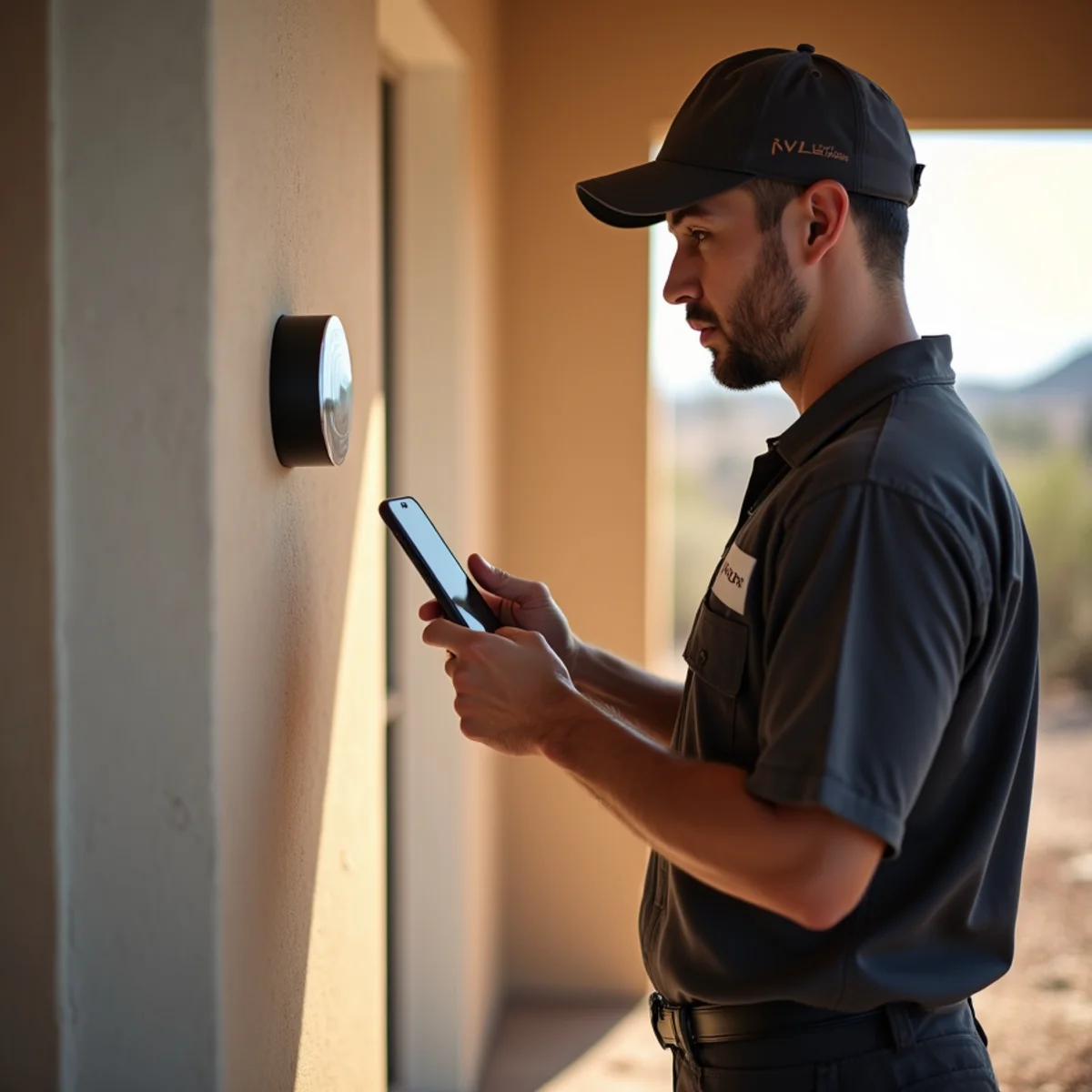
Every summer, thousands of Apache Junction homes sit empty while their owners escape north to cooler weather. Here is the problem nobody thinks about until it is too late: if the AC fails in a vacant house in July, the indoor temperature can climb past 100 degrees within hours. That heat warps floors, cracks furniture, melts candles into carpet, ruins electronics, and creates conditions for mold when a monsoon rolls through. By the time a neighbor notices, the damage is done.
Remote thermostat monitoring solves this. For the cost of a smart thermostat and a little setup, you can watch your home's temperature from anywhere and get an alert the moment something goes wrong. This guide walks through how to set it up and use it well.
Why an Empty AJ Home Needs Watching
A vacant home has no one to notice the warning signs, no one to feel the air go warm, hear the compressor struggle, or spot water pooling from a clogged drain. In our climate the stakes are unusually high because a single failed capacitor after a monsoon surge can take the whole system offline on a 110-degree day. The house then bakes for however long it takes someone to discover it.
- Interior temperatures over 100 degrees warp wood floors, doors, and cabinetry.
- Heat and humidity after a monsoon storm invite mold growth in a sealed, unwatched house.
- Refrigerators and freezers fail in extreme indoor heat, spoiling contents.
- Electronics, artwork, medications, and candles are ruined by sustained high temperatures.
- A small, cheap fix caught early becomes a whole-house cleanup if left for weeks.
Setting Up Remote Monitoring
The heart of the system is a Wi-Fi smart thermostat that reports temperature and sends alerts to your phone. Here is the setup that actually protects an absent home.
- Install a reliable Wi-Fi smart thermostat and connect it to your home network. Keep your internet service active through the summer, it is the lifeline for every alert.
- Set a high-temperature alert. Tell the app to notify you if the indoor temperature climbs above a threshold, for example 90 degrees, which means the AC is losing the battle.
- Set the thermostat to a sensible vacant-home setpoint, often around 85 to 88 degrees, high enough to save energy but low enough to protect the home's contents.
- Add a low-temperature and humidity alert if the thermostat supports it, useful for catching winter freeze issues and monsoon humidity spikes.
- Test the alerts before you leave. Trigger a notification on purpose so you know the chain works end to end.
- Give a trusted local contact, a neighbor, property manager, or your HVAC company, access or a heads-up so someone can respond when you are far away.
The alert is only half the solution. The other half is having someone able to act on it. That is why many snowbirds pair monitoring with a professional smart thermostat and remote monitoring plan, so a certified technician can respond when an alert fires and you are two time zones away.
Choosing the Right Setpoint
| Setpoint approach | Energy use | Protection level |
|---|---|---|
| System fully off | Lowest | Poor: house bakes, mold risk after storms |
| Set very low (75) | Highest | Overkill and expensive for an empty home |
| Set 85-88 with alerts | Moderate | Best balance for a vacant AJ home |
Turning the system completely off to save money is the classic mistake. An unconditioned house in an Apache Junction summer can pass 120 degrees inside, and the first monsoon adds humidity to that oven. A setpoint in the mid-80s keeps the home in a safe range for a modest cost, while alerts catch any failure fast.
Make It Part of Your Seasonal Routine
Monitoring works best alongside a spring tune-up before you leave, so the system is in good shape heading into the season it will run unattended. A technician can confirm the capacitor, refrigerant charge, and drain are all healthy, the very things most likely to strand a vacant home. Snowbirds in higher-elevation areas like Superstition Mountain especially benefit, since those homes see both summer heat and sharper winter cold.
If you are weighing whether a full monitoring service is worth the cost, our breakdown of what snowbird home monitoring costs and saves lays out the numbers. The short version: the protection almost always costs far less than a single bad summer.
A winter-absent home does not have to be a gamble. A Wi-Fi thermostat, a sensible setpoint, working alerts, and a trusted local contact turn a silent summer risk into something you can watch from your chair up north, and act on before a small problem becomes a ruined house.
Frequently Asked Questions
No. A vacant Apache Junction home with the AC off can exceed 120 degrees inside, warping floors and cabinets and inviting mold after monsoon humidity. Set the thermostat in the mid-80s instead, which protects the home for a modest cost while a high-temperature alert catches any failure.
A setpoint around 85 to 88 degrees is the sweet spot. It is high enough to keep energy use down but low enough to protect wood floors, cabinetry, electronics, and other contents from heat damage. Pair it with a high-temperature alert so you know immediately if the system stops holding that setpoint.
Your smart thermostat sends an alert to your phone the moment the indoor temperature climbs past your threshold. You can then dispatch a local technician right away, often catching a simple fix like a failed capacitor before the house suffers real heat damage. That early warning is the whole point of monitoring.
A Wi-Fi smart thermostat with active home internet is the core of the system, and for many homes it is enough. Some homeowners add separate temperature and humidity sensors or a professional monitoring plan so a technician responds to alerts on their behalf. The essential ingredients are the thermostat, working internet, and someone able to act locally.
Talk to a Local Apache Junction Technician
Same-day across Apache Junction & Gold Canyon — 24/7 in triple-digit heat.
Call +1 (327) 210-5999