
July in Apache Junction: Why 104F Average Highs Make AC Failure an Emergency
In most of the country a broken AC is an inconvenience. In an Apache Junction July, with average highs of 104F and stretches past 110F, it becomes a genuine health emergency in hours. Here is the math, the risk, and the plan.
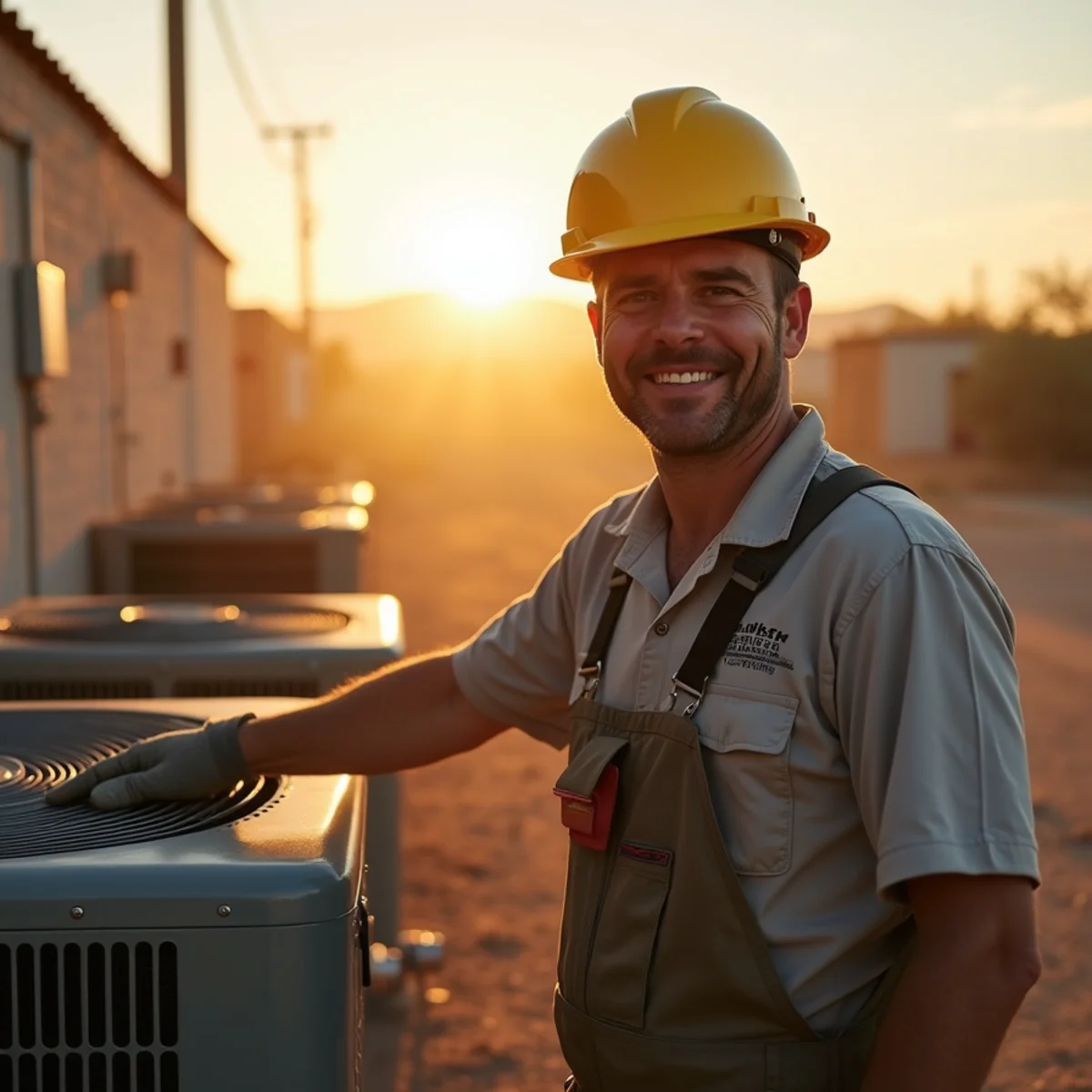
There is a reason we treat a dead air conditioner differently in July than a plumber treats a slow drain. In Apache Junction, the National Weather Service Phoenix office records July average highs right around 104F, and it is routine for the thermometer to sit at 110F or higher for a week at a time. When the AC quits under those conditions, an ordinary house does not stay comfortable and then slowly warm up. It heats fast, and the indoor temperature can pass the outdoor temperature by afternoon because the roof, walls, and slab are radiating stored heat inward.
That is the core reason we answer the phone at 2 a.m. and dispatch 24/7 in triple-digit heat. A broken AC in a mild climate is a comfort problem. Here, for an infant, an older adult, or anyone with a heart or respiratory condition, it is a safety problem measured in hours, not days.
How Fast a House Actually Heats Up
People underestimate this because they picture the house holding its cool the way a cooler holds ice. It does not. A typical block-and-frame Apache Junction ranch with the AC off on a 110F afternoon will often climb into the mid-90s indoors within three to four hours, and keep rising toward the outdoor high after that. West-facing rooms and manufactured homes with thin walls climb faster.
| Time AC has been off | Typical indoor temp (110F day) | Risk level |
|---|---|---|
| 30-60 minutes | 82-86F | Uncomfortable |
| 2-3 hours | 88-92F | Dangerous for infants and seniors |
| 4-6 hours | 95-100F+ | Heat illness risk for anyone |
| Overnight, no cooling | Slow drop, still 85F+ by dawn | Cumulative heat stress |
Why AC Systems Fail Precisely When You Need Them Most
It is not bad luck that units die in July. It is physics and load. A condenser rejecting heat into 110F air is working far harder than the same unit at 85F. Refrigerant pressures climb, the compressor draws more amperage, and any weak part that limped through spring finally gives out. The most common July failures we see are:
- Run capacitors that bulge and fail under high heat and voltage stress
- Contactors pitted from thousands of high-load cycles
- Compressors that overheat and trip on internal overload when airflow or refrigerant is marginal
- Condenser coils so packed with dust that the unit cannot shed heat
- Breakers that trip because the whole system is running at the edge of its limits
When the outdoor unit hums but will not start, or the breaker trips the moment cooling calls, do not keep cycling it. Repeated restart attempts on a struggling compressor can turn a cheap capacitor repair into a compressor replacement. Shut it off and call our same-day emergency AC repair team so we can get to the real cause on the first visit.
What to Do in the First Hour
- Set the thermostat to Off so the system stops fighting itself and to protect the compressor.
- Check the breaker once. If it trips again immediately, leave it off and call. That is a fault, not a fluke.
- Pull the air filter and look. A filter clogged solid can freeze a coil and mimic a bigger failure.
- Close blinds on the sun side and stop using the oven, dryer, and other heat sources.
- Move vulnerable family members to the coolest room, hydrate, and use damp cloths and fans.
- Call for service. We run same-day across Apache Junction and Gold Canyon, with 30-minute East Valley dispatch standard, though arrival always depends on your location, traffic, and how many calls are stacked in a heat wave.
The Bigger Picture for Pinal County Homes
Apache Junction and the surrounding Pinal County service area sit at the hot, dusty eastern edge of the metro, at the base of the Superstition Mountains. Systems here take a harder beating than units in cooler, cleaner parts of the country, and they age accordingly. A unit that would last 18 years in a mild climate often reaches the end of its reliable life at 12 to 15 here. If your AC is in that range and has already thrown one July scare, that is the signal to plan a replacement on your schedule rather than on the hottest day of the year.
If you want the step-by-step version for the moment the air actually stops blowing cold, read our companion guide, AC Dies at 110F: Emergency Steps for Apache Junction Homeowners. And if your system is limping, a pre-summer or mid-summer check-up is far cheaper than a July breakdown.
Frequently Asked Questions
On a typical 110F July afternoon, a house with the AC off usually climbs into the upper 80s within two to three hours and can pass 95F by evening because the roof, walls, and slab keep radiating stored heat inward. Manufactured and west-facing homes heat even faster.
It can be. The National Weather Service ranks heat as Arizona's deadliest weather hazard. For infants, older adults, pregnant women, and anyone with heart or lung conditions, indoor temperatures above the mid-90s create real heat-illness risk within hours, so a summer failure should be treated as urgent.
No. If the breaker trips again or the outdoor unit hums without starting, stop. Repeated restart attempts on a struggling compressor can turn an inexpensive capacitor or contactor repair into a full compressor replacement. Shut it off and call for same-day service.
Yes. We dispatch same-day across Apache Junction and Gold Canyon and answer emergencies around the clock during triple-digit stretches. Arrival time depends on your exact location, traffic, and how many calls are already in the queue during a heat wave.
Talk to a Local Apache Junction Technician
Same-day across Apache Junction & Gold Canyon — 24/7 in triple-digit heat.
Call +1 (327) 210-5999